
Rethinking Event Discovery
Platform:
ontariocolleges.ca
Users:
Prospective students exploring post-secondary education opportunities in Ontario
Scale:
Serving Ontario's 24 public colleges and supporting
millions of student interactions annually
Role:
Product Designer
My Contributions
- Product Design Lead
- User Journey Mapping
- Information Architecture
- Event Discovery Strategy
- Calendar Experience Design
- Interaction Design
- Wireframing & Prototyping
- Accessibility & Inclusive Design
- Design Systems Integration
- Stakeholder Collaboration
Team:
Product Manager • Developers • Content Specialists
Project Overview
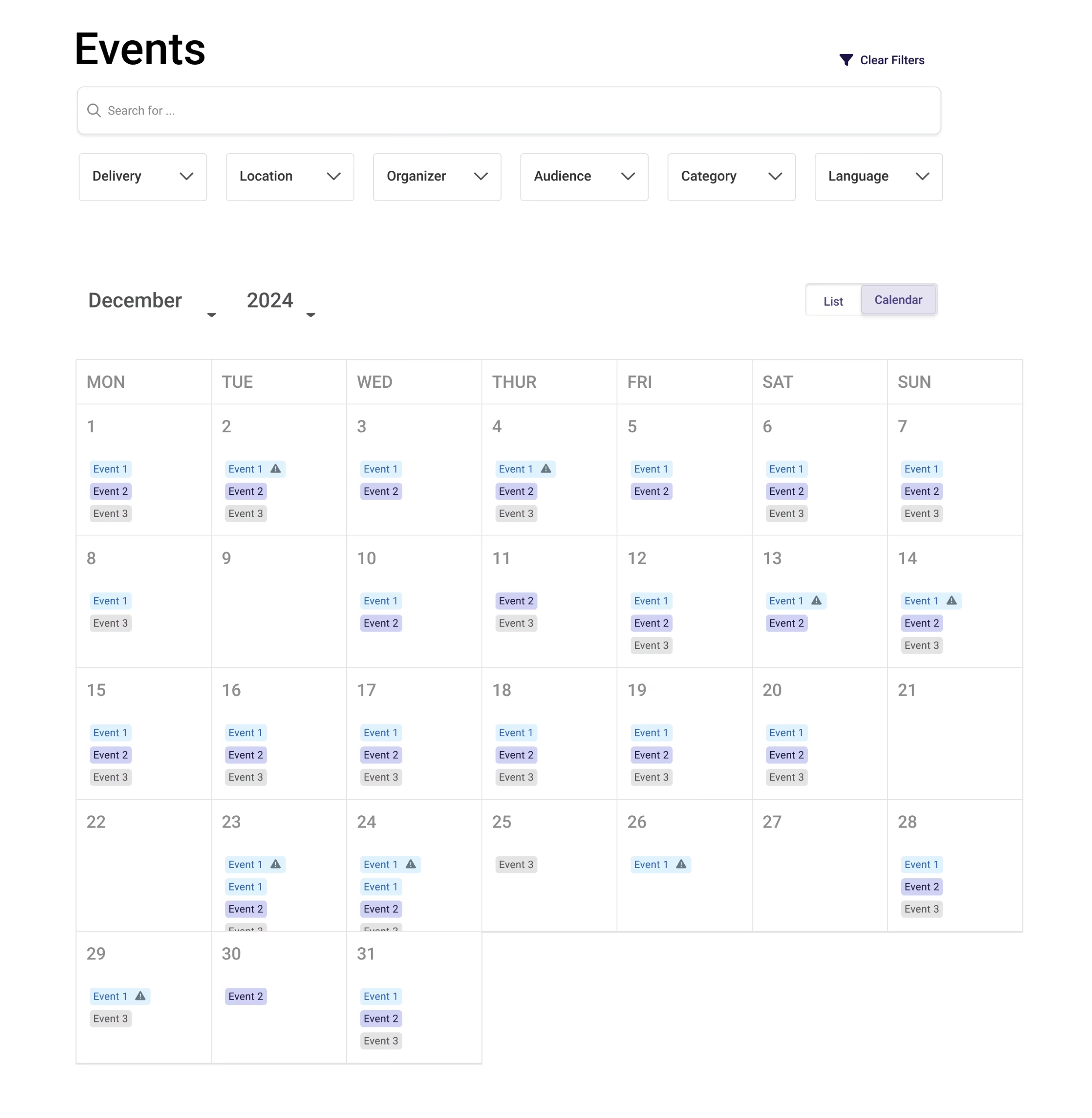
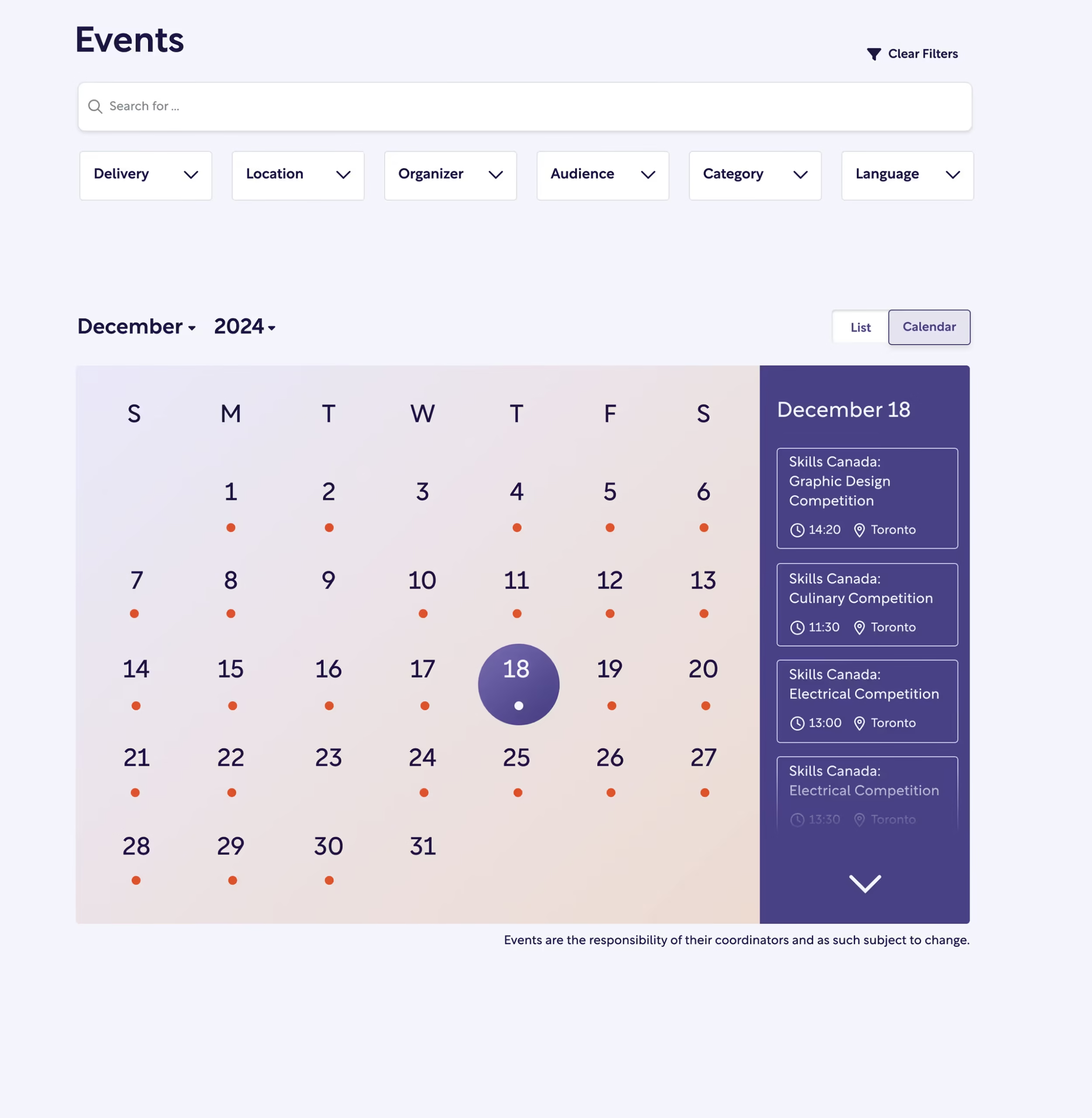
The primary challenge was information density. Traditional calendars place event information within the confines of a date cell, creating a scalability problem as the number of events grows. I needed a solution that could clearly communicate the presence of events on a given day, indicate event volume, and provide access to event details without overwhelming the calendar itself.
Rethinking the Calendar Experience
Challenge
- Traditional calendars provided limited space for event information.
- Multiple event types required consistent presentation and user guidance.
- High event volume risked cluttering the interface and reducing discoverability.
Solution
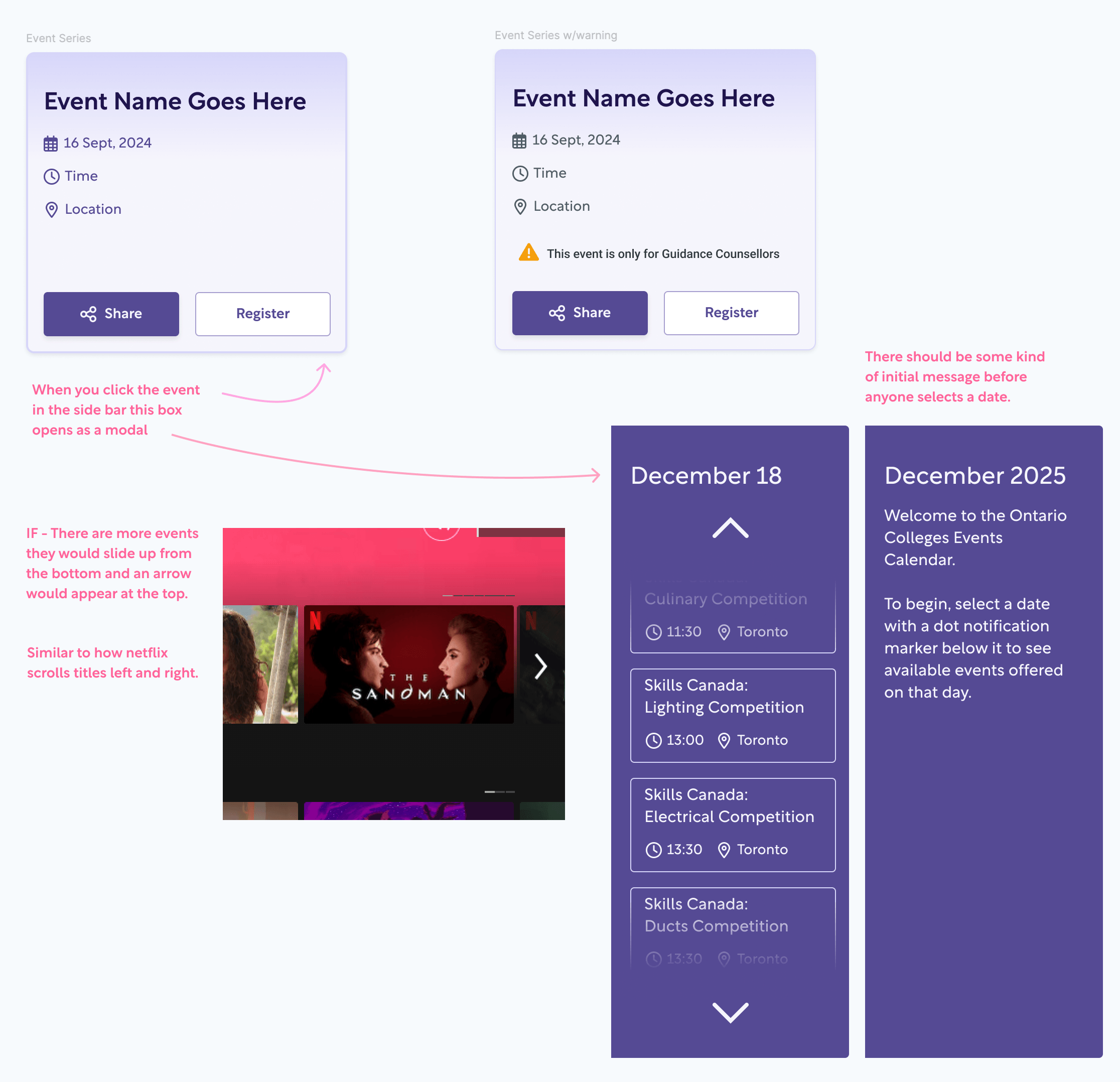
- Designed a reusable event card system that adapted to multiple event scenarios.
- Standardized event metadata, registration actions, and audience-specific messaging.
- Introduced an expandable event panel that surfaced busy days without overwhelming the calendar.
Outcome
- Received positive feedback for its usability, scalability, and visual clarity.
- Demonstrated how event discovery could evolve beyond a traditional calendar.
- Established reusable design patterns that informed future thinking, even as project priorities shifted.
Reimagined a traditional calendar as an event discovery tool, helping users explore opportunities without sacrificing context.
Scalable Event Components
Key Takeaways
This concept reinforced my belief that exploration is never wasted. Even when a solution doesn't reach production, the process of challenging assumptions, testing alternatives, and designing scalable systems strengthens future products and leads to better design decisions.